Boyington Pit 1 – Enhancing Rehabiliation with Local Agriculture Soils
The Background
Located just south of Uxbridge in the Region of Durham, Boyington Pit 1 has supplied aggregate for local infrastructure projects since the 1960s. The pit was originally operated by Markham Sand and Gravel which has been a part of the Miller Group since 1976. The 46-hectare site is in the Oak Ridges Moraine, where geology is highly variable with deposits of fine and coarse sands and gravel.
Today, Boyington Pit 1 is a reserve site with a mix of disturbed and depleted areas alongside undisturbed farmland. Approximately half of the property remains in crop production and following extraction, the pit floor will be returned to agricultural production, as outlined in the site plans.
The Challenge
As is typical in the Uxbridge area of the Oak Ridges Moraine, Boyington Pit 1 had limited on-site topsoil available for rehabilitation. The existing topsoil that was on-site had been stored in long-term stockpiles, impacting its organic matter and fertility characteristics.
The Opportunity
The site plans allowed for importation of topsoil for rehabilitation purposes and Miller was waiting for the right opportunity to present itself. This opportunity came in the form of two new residential subdivisions in Ajax and Pickering. These sites were ideal due to their proximity to pit in the Region of Durham and were previously undisturbed and in agricultural production.
Quality Assurance
Before importing the topsoil, site visits were conducted, and soil quality reports were reviewed to ensure compliance with Ontario’s Excess Soil Regulations (O. Reg. 406/19). Once the high-level review determined that the source sites and soil quality met Miller’s and the Excess soil standards, GEI Consultants were retained as the project’s qualified professionals. GEI’s role was to develop and oversee an onside testing program to ensure and document that the imported soils met the regulations and Table 1 Agricultural-Use guidelines as it was placed.
Implementation
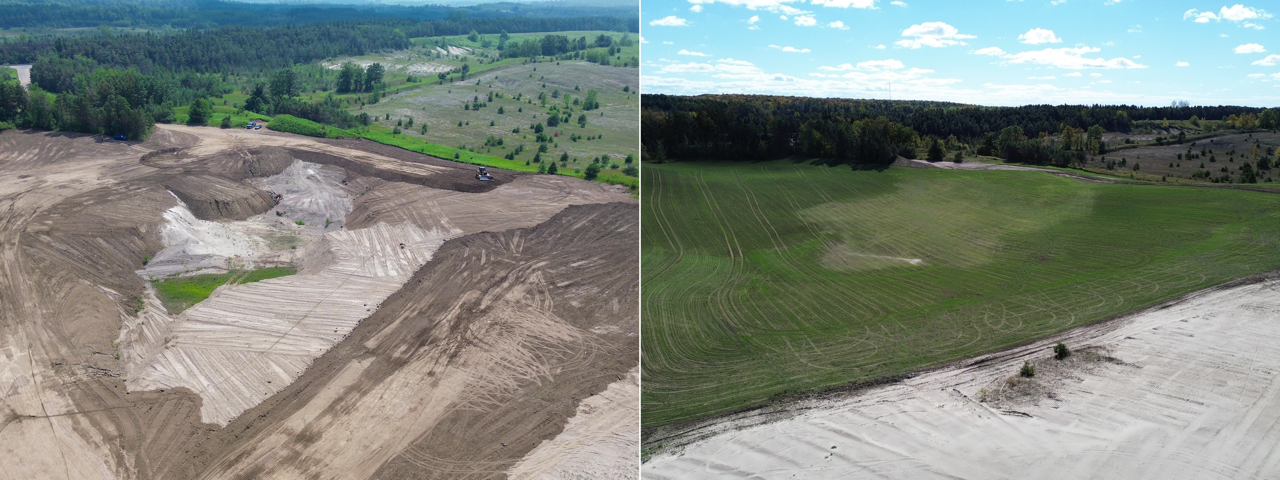
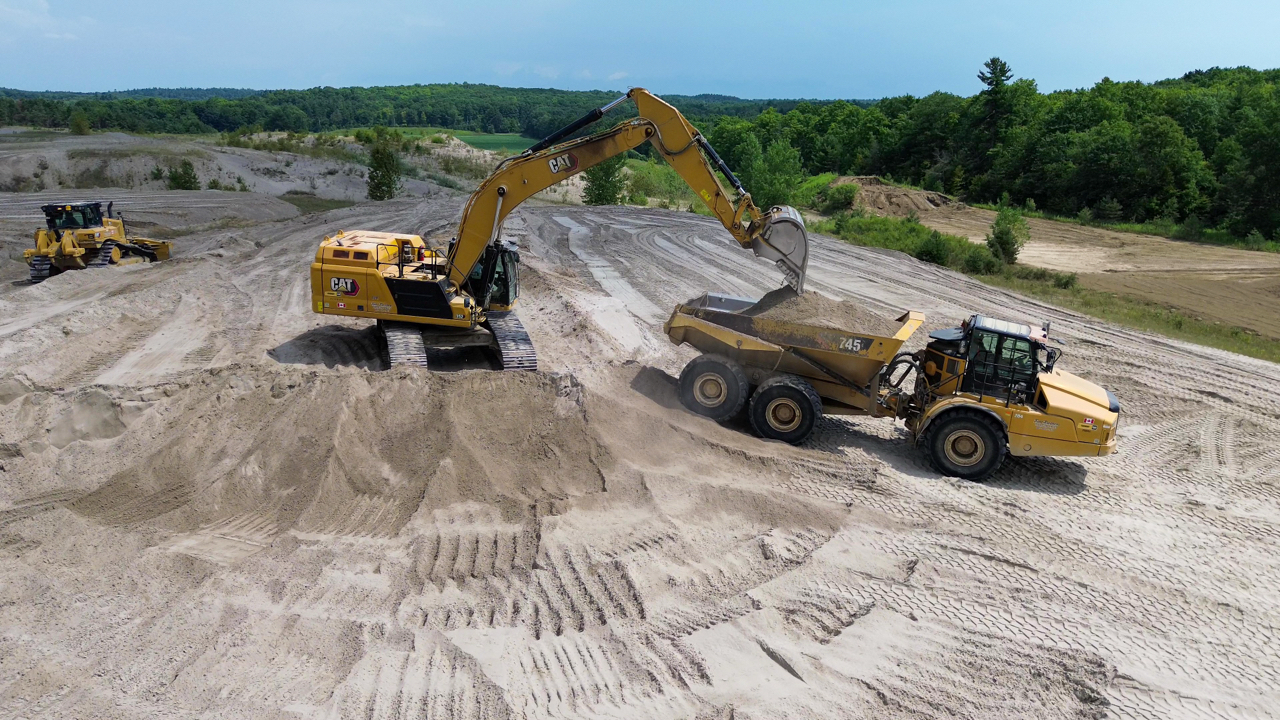
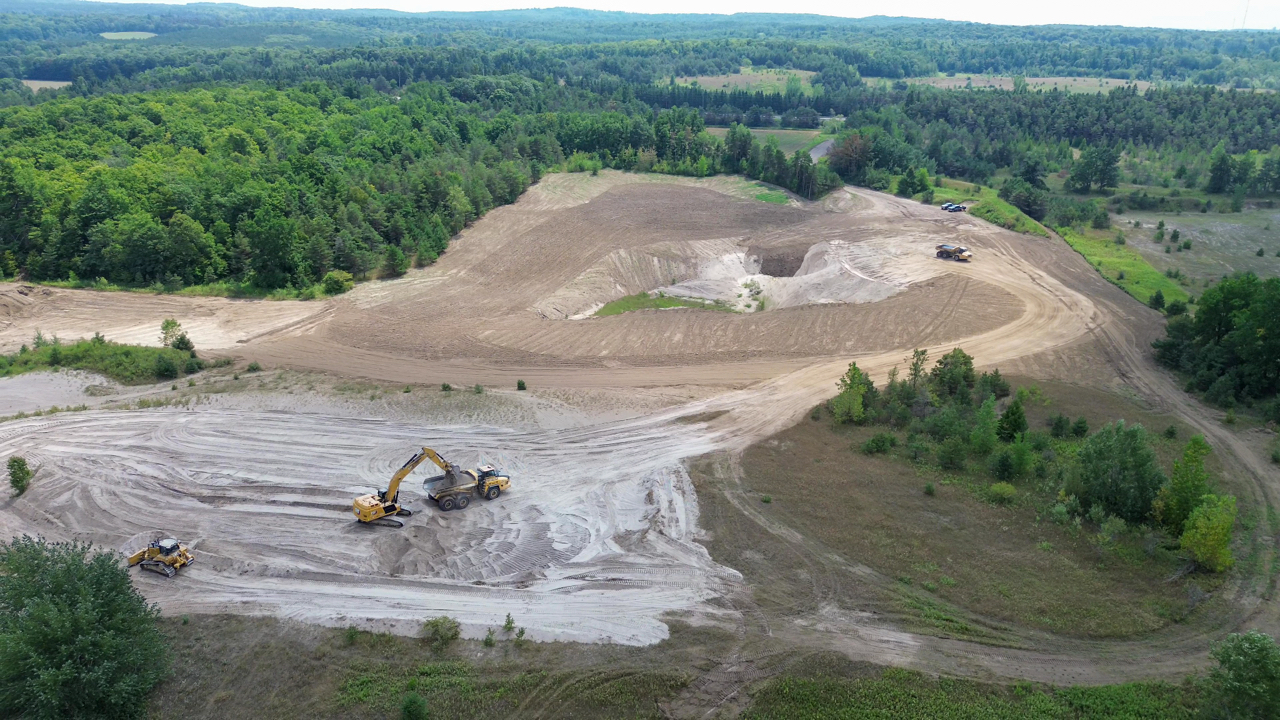
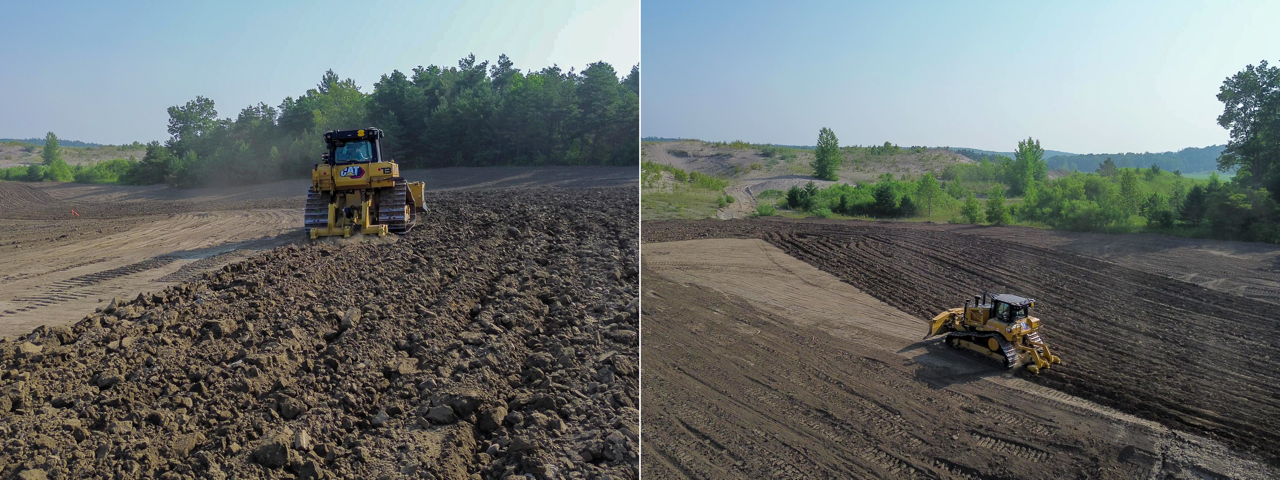
To prepare for soil importation, the depleted pit faces were pre-graded to create a rough final landform. Next, spanning over 3 weeks (June 24-July 14, 2025), topsoil from the two local fields was delivered to the site and graded to create a topsoil layer on the new agricultural lands. During this time, former pit faces, floor, and internal haul roads were graded into gentle rolling landscapes using the fine sands to create the sub-soil layer. After the importation, the internal route used by the trucks was ripped to alleviate soil compaction.
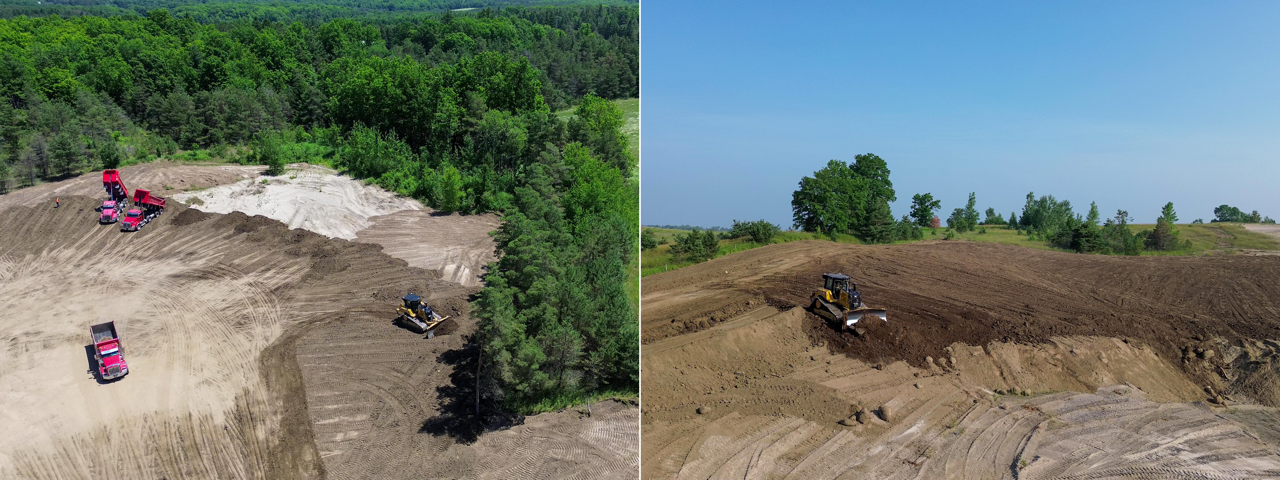
Todd Brothers returned in August 2025 to complete an unfinished section in the centre of the rehabilitation area to complete the 4-hectare project. During this process, an additional 2.5 hectares were graded using subsoil from adjacent banks in preparation for a future topsoil importation opportunity.
Returning to Agricultural Production
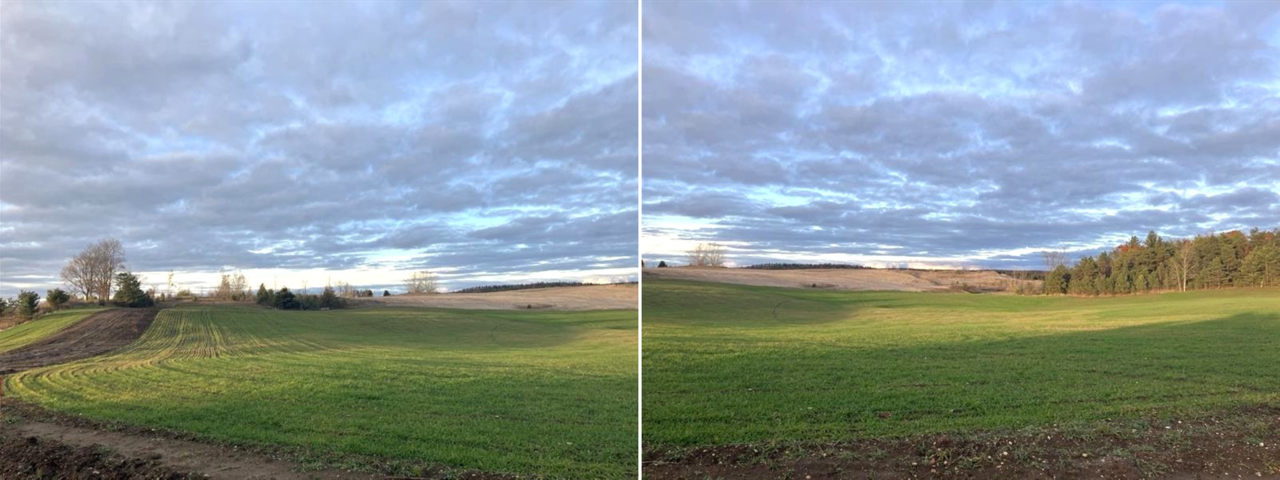
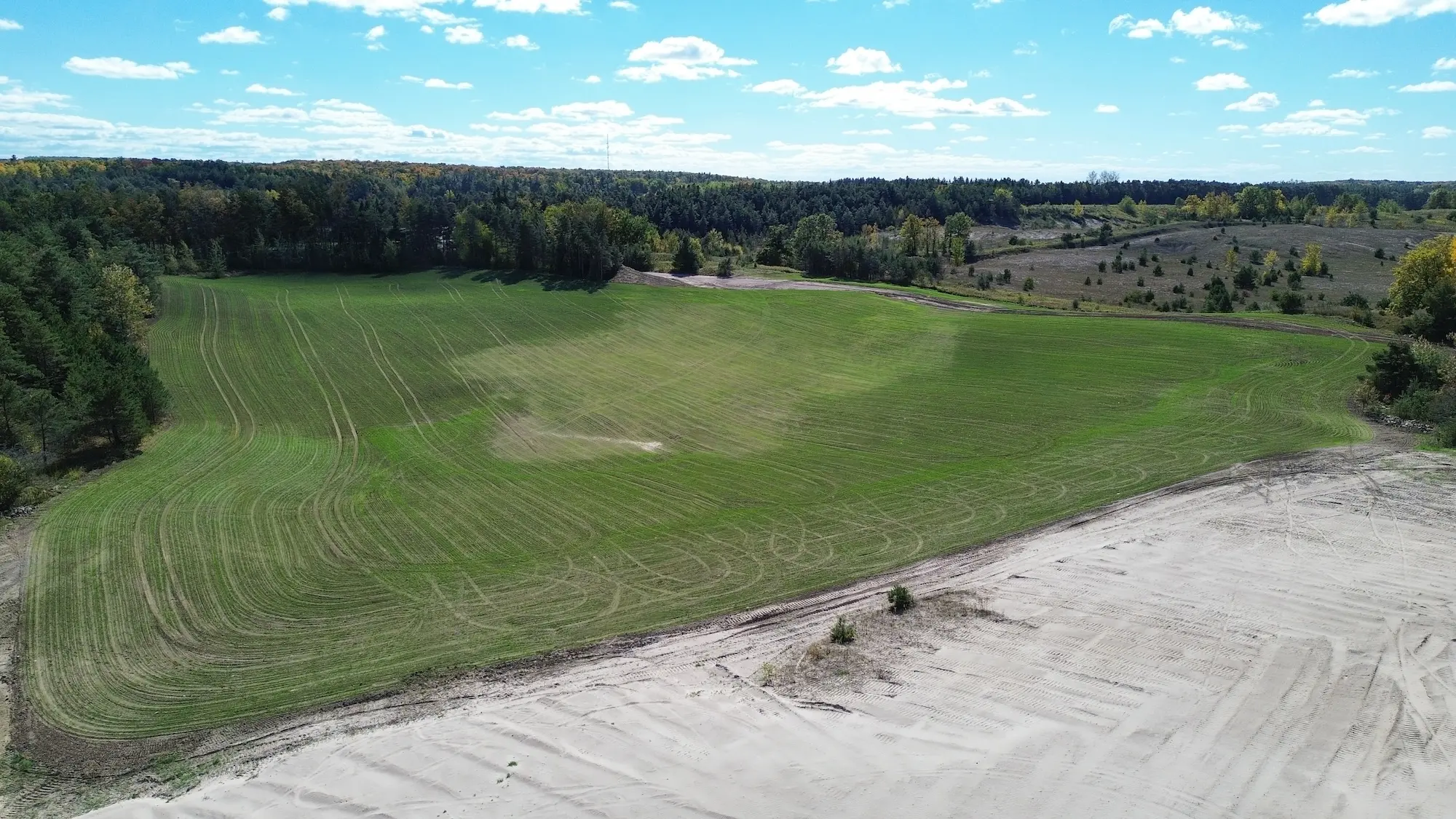
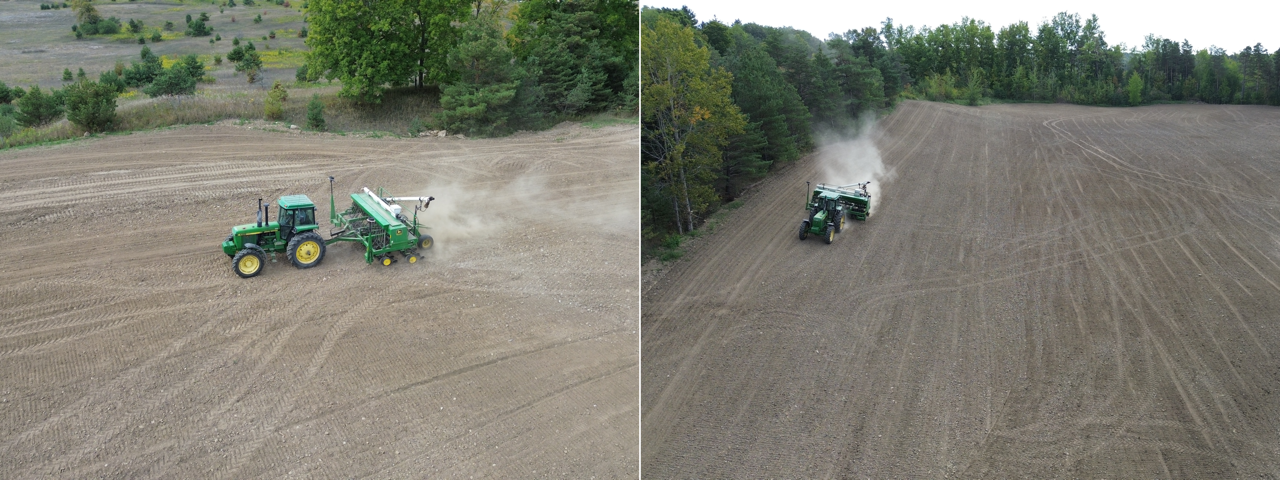
The rehabilitated field was cultivated and seeded with winter wheat on September 18, 2025 by Highview Holsteins. Winter wheat was chosen as the first-year crop to establish an immediate ground cover for erosion control and enable a harvest by July 2026. Highview Holsteins is a long-time partner of Miller and has leased both undisturbed reserve lands and rehabilitated lands in the area for many years. Miller relies on Highview Holstein’s expertise to re-establish the agricultural capabilities of the rehabilitated lands by improving soil fertility and ultimately, crop yields.
Rehabilitation Monitoring
Miller’s rehabilitation monitoring program tracks the progress and success in returning sites back to pre-extraction conditions. In cooperation with local farmers, crop yields on rehabilitated lands are documented and compared to the yields of nearby undisturbed fields. The yields of Boyington Pit 1’s first year crop will be documented through this program once it is harvested in July 2026.
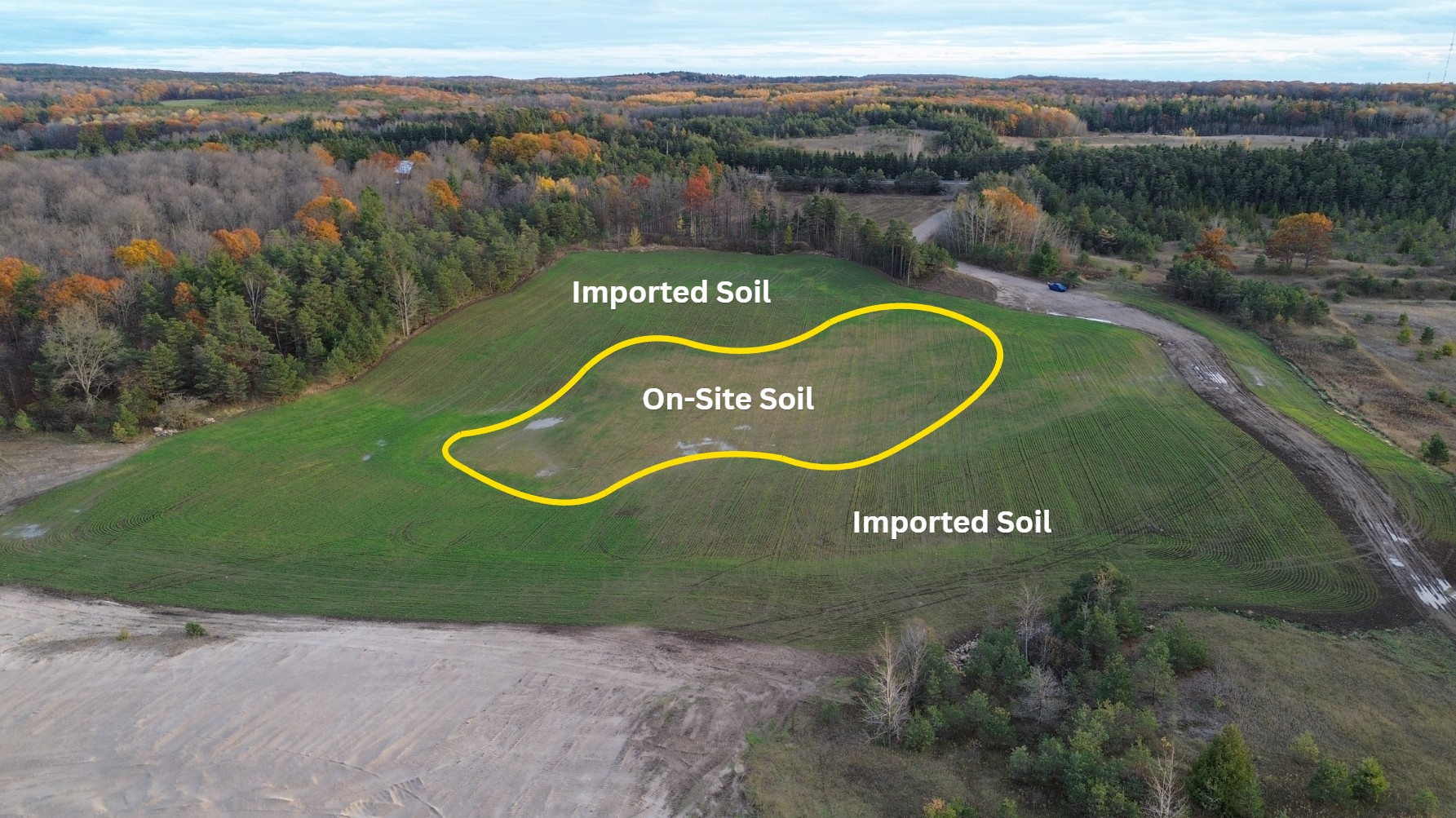
For Boyington Pit 1, the monitoring program will assess and compare the soil characteristics over time of the three different soil scenarios on site:
- Undisturbed land onsite that continues to be farmed
- Area rehabilitated using the existing topsoil onsite
- Area rehabilitated using the imported agricultural topsoil
Miller’s drone program helps document the evolution of the rehabilitated areas from the initial landform creation, topsoil placement, seeding, soil amendments, and crop harvest.