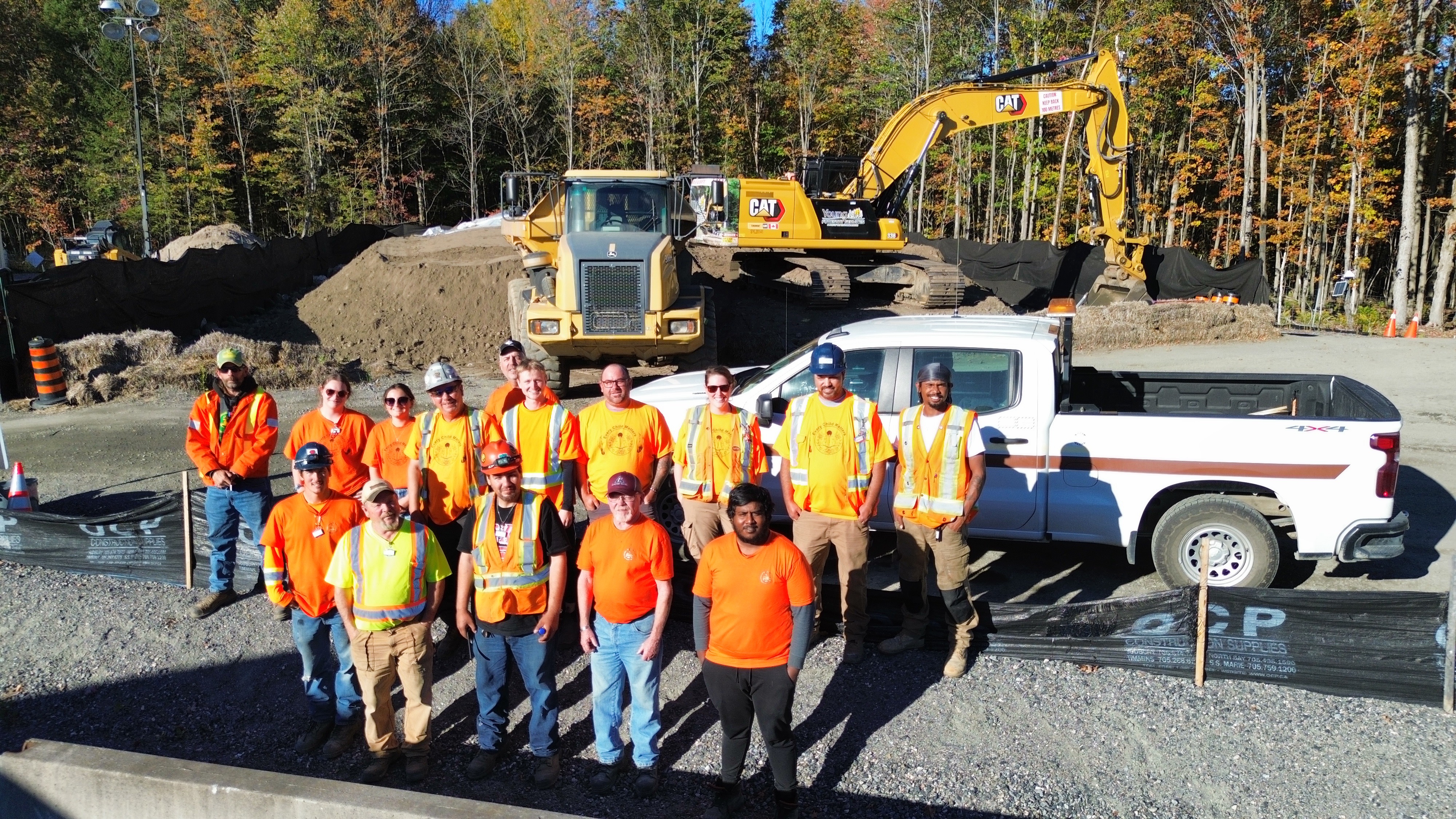
Since 2006, the partnership between Nipissing First Nation and The Miller Group has thrived on mutual respect and a dedication to creating enduring positive impacts for the community through sustainable infrastructure development.
This business relationship was initially built around the Nipissing Quarry under a unique ground lease that secured Nipissing First Nation land ownership while providing Miller a local base for quarry operations. To this day, the quarry is operated by Miller from a commercial building on Nipissing First Nation under a long-term lease and royalty agreement. The success of this collaboration laid the foundation for the partnership to grow.
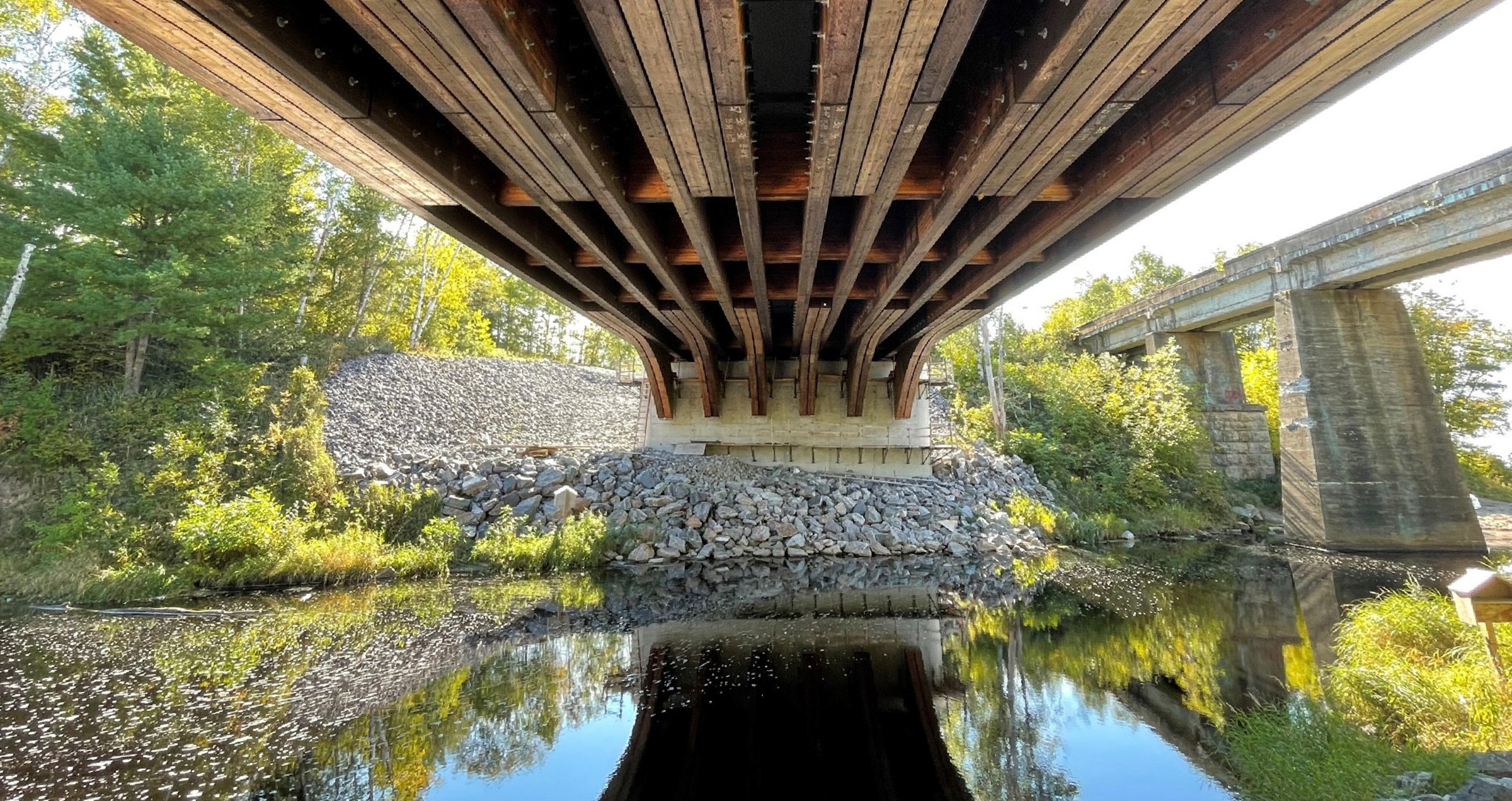
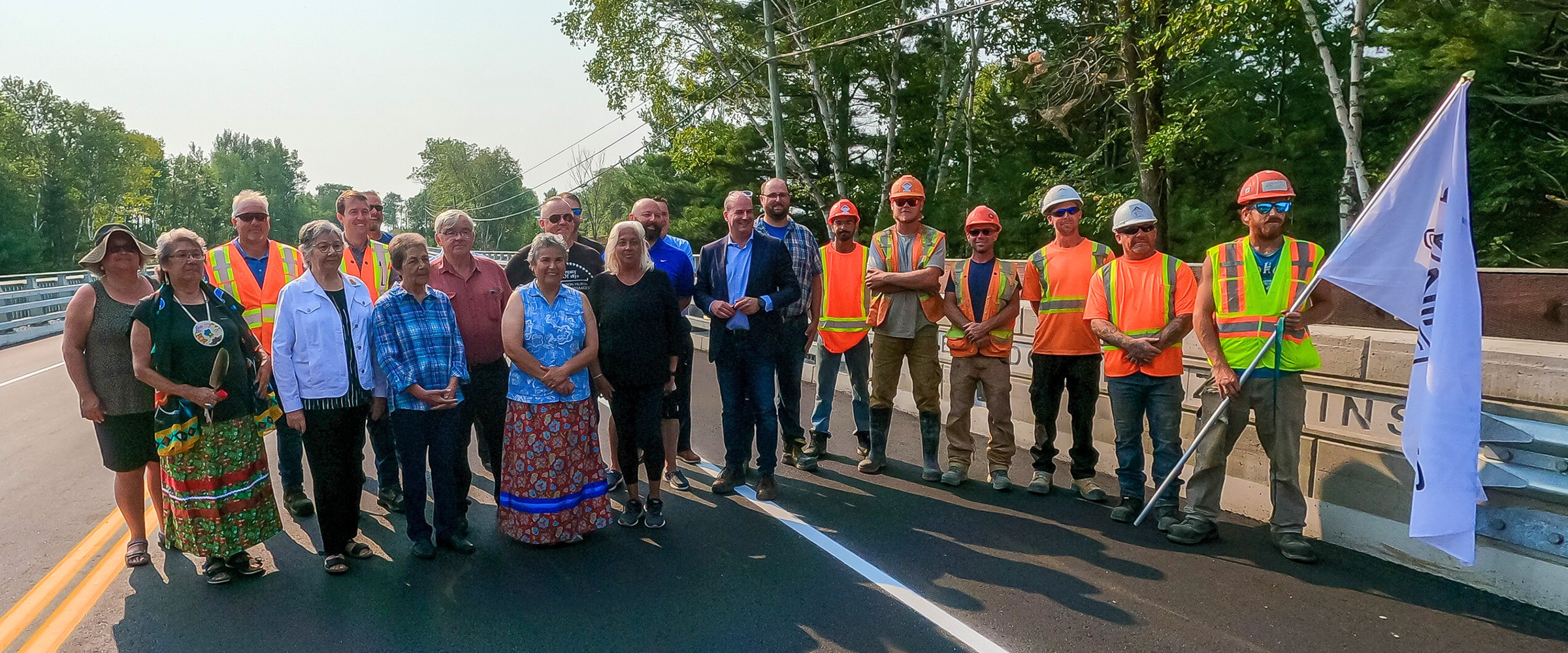
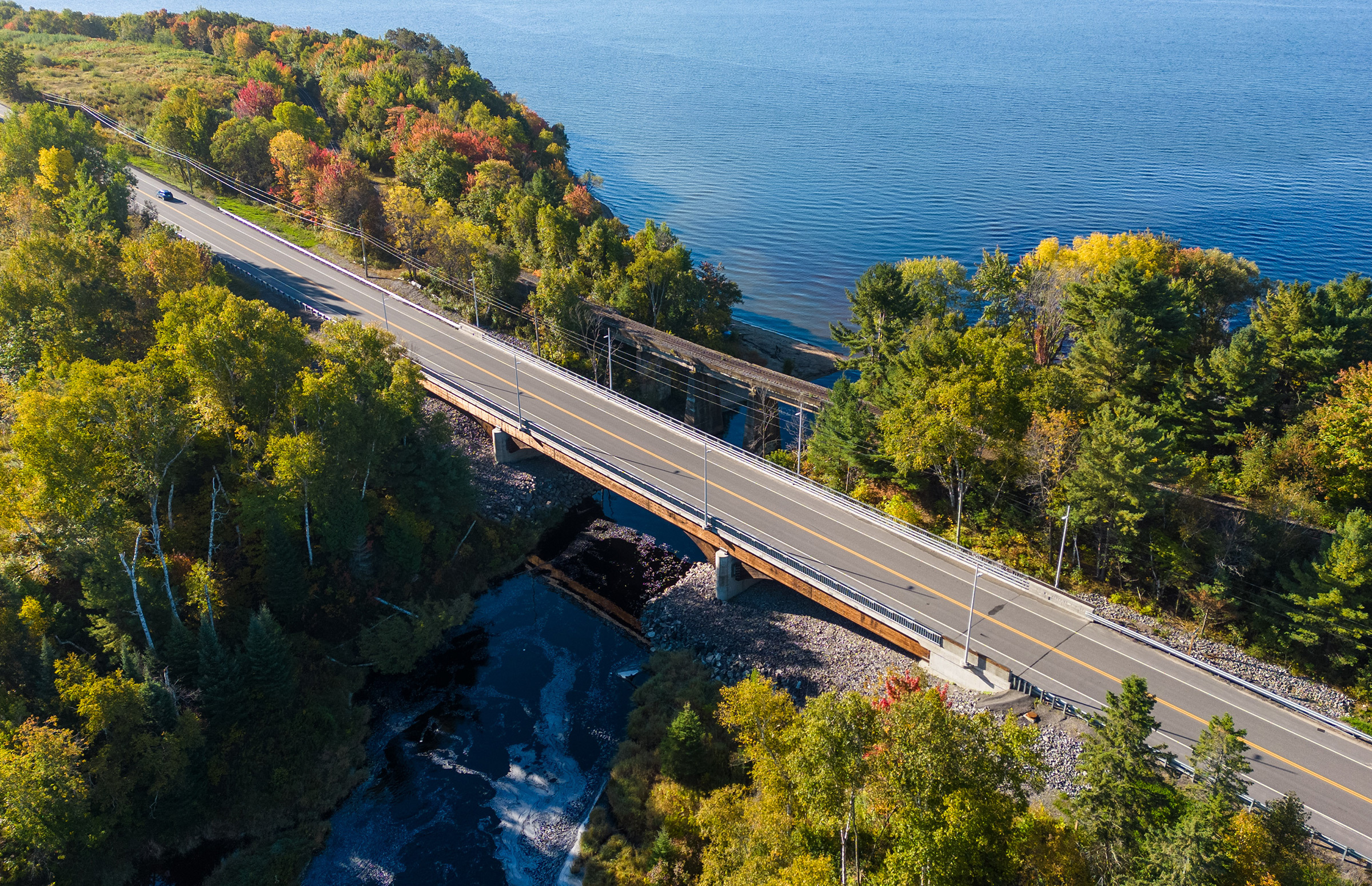
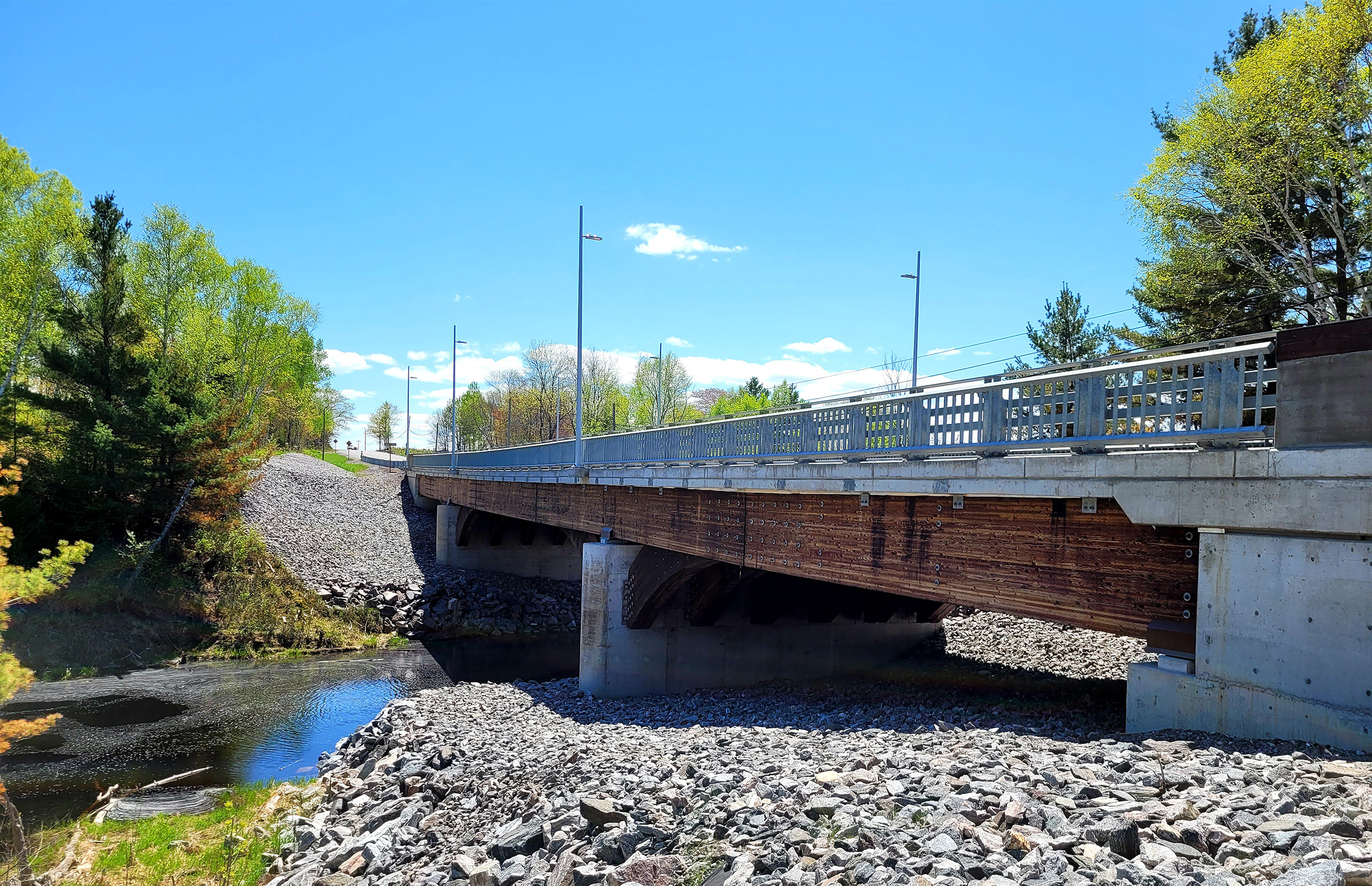
Nipissing Miller was officially formed in 2019 to manage the contract of the Duchesnay Creek Bridge. With 51% of the partnership owned by Nipissing First Nation and 49% owned by Miller Paving Ltd., this partnership is structured to deliver on MTO and local projects.
Along with laying the foundation for collaboration between Nipissing First Nation and Miller Paving Ltd., the Duchesnay Creek Bridge was an award-winning project which received recognition from across the industry.
Awards include:
- Ontario Concrete Association – Infrastructure – Precast award for 2022 awarded to Miller Northern Precast
- Ontario Public Works Association – 2021 Project of the Years (Structures $10-$50 Million)
- Canadian Wood WORKS! Awards – Northern Ontario Excellence Award 2022
Project Spotlight – NORM Remediation
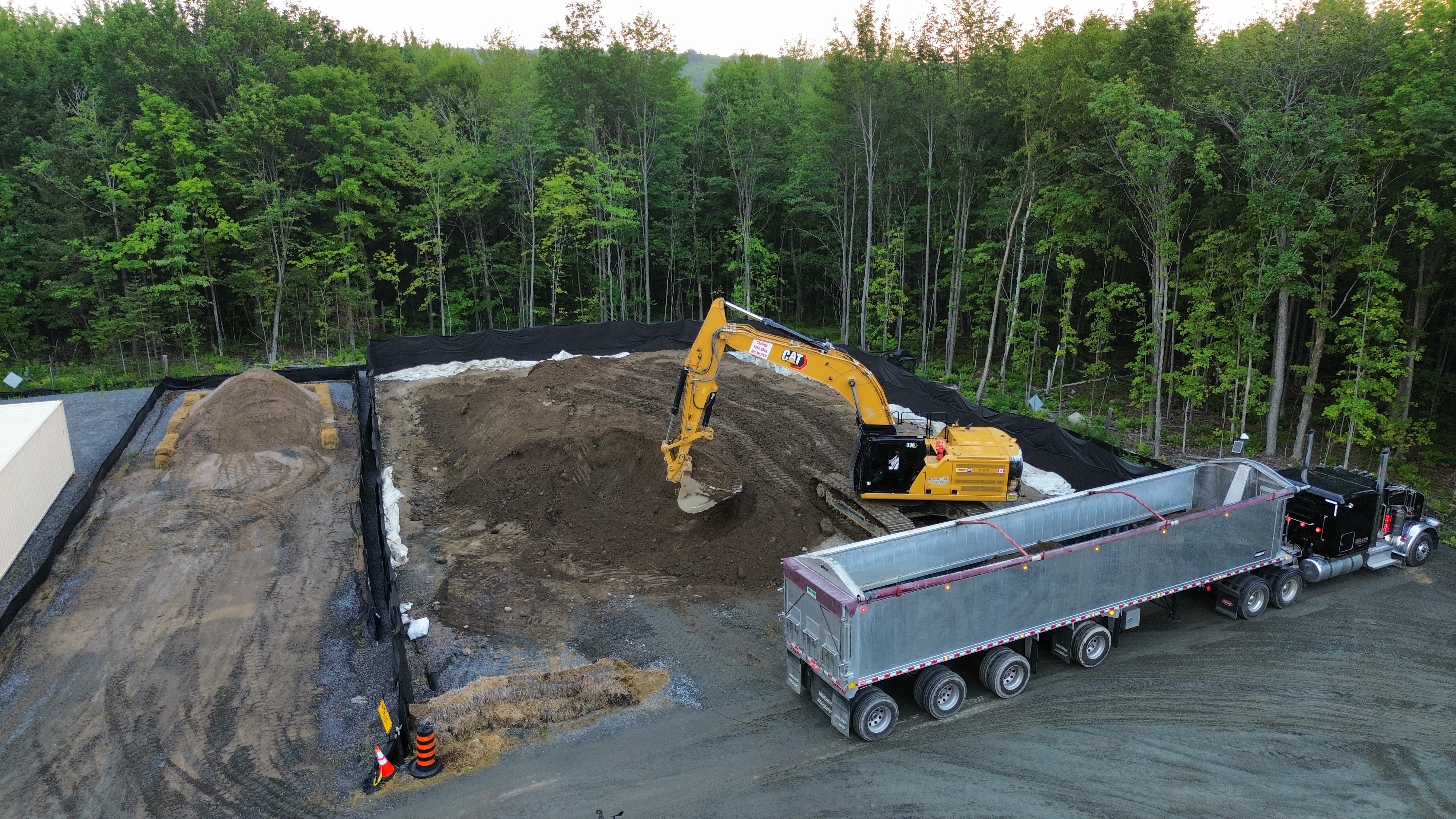
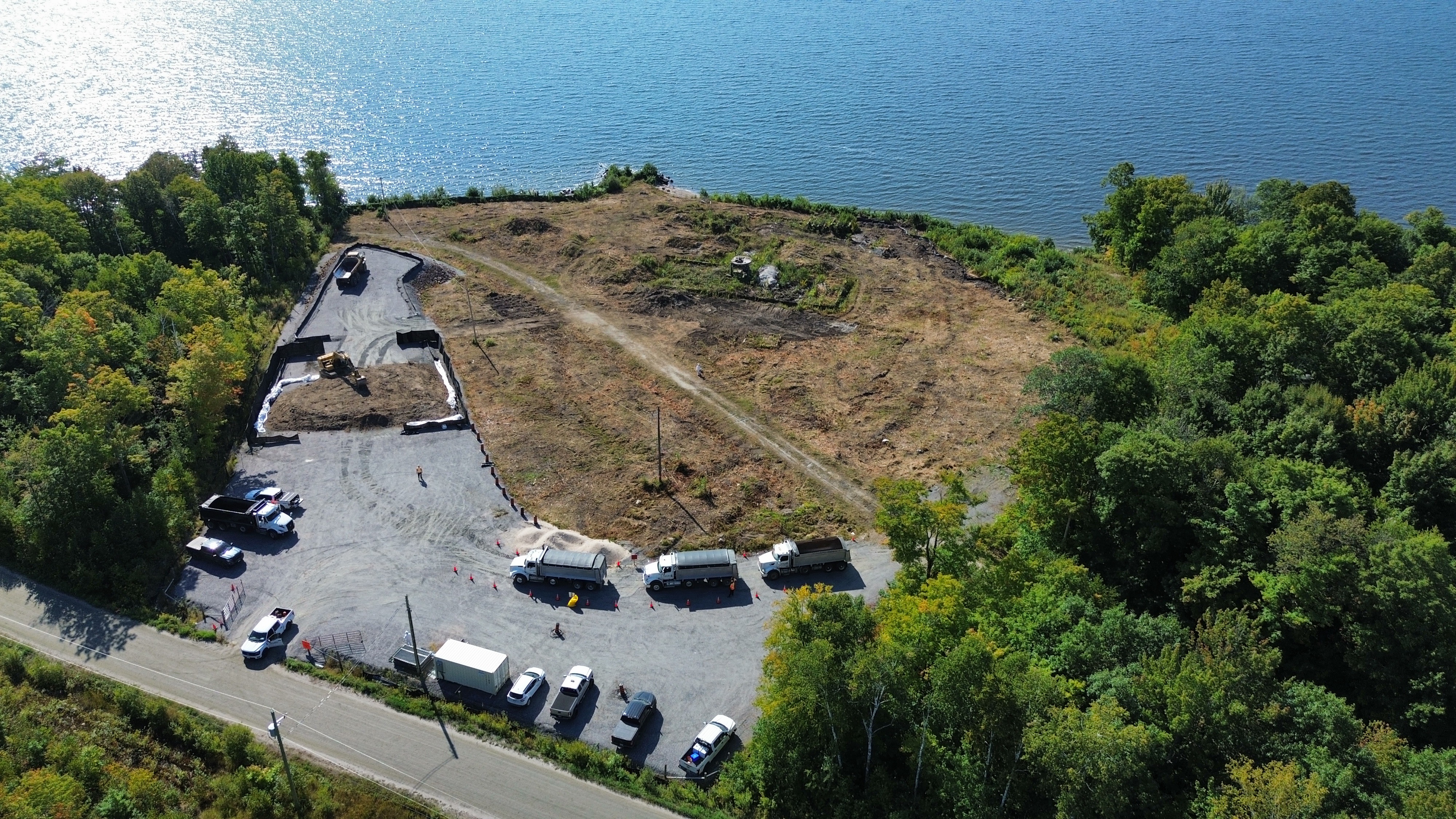
In 2025, the Nipissing Miller team completed work on MTO 2022-5011, remediating contaminated soils at sites and private residences on the Nipissing First Nation. The team successfully removed a total of 50,000 tonnes of Naturally Occurring Radioactive Material (NORM) throughout the season in a first of its kind project for Miller.
The land was contaminated by ore processing at the Nova Beaucage Mill on Newman Island in 1956, which resulted in radioactive by-products. The site was eventually abandoned by the company, and the contaminated land was returned to Nipissing First Nation in 1970. NORM from the mill was used to in building roads, grading activities and filling some private properties, as the community was told it was safe.
Throughout the $45 million project, Nipissing Miller engaged in rigorous planning, environmental controls, health and safety requirements, excavation of the contaminated sites, and transportation and disposal of NORM at a government site six hours away.
The successful completion of this project, with zero recorded radiation doses as confirmed by Health Canada, provides Nipissing First Nation with unrestricted access to land that had been closed off for decades.
This project showcases the strength of the Nipissing Miller Partnership and the positive impact on the community.